
Few ballparks in America carry the weight of history, tradition, and pure baseball romance quite like Wrigley Field. Home to the Chicago Cubs since 1916, this iconic stadium on Chicago's North Side has witnessed over a century of triumphs, heartbreaks, and unforgettable moments that have shaped the game we love today.
The Birth of a Baseball Cathedral
Wrigley Field opened its gates on April 23, 1914, originally named Weeghman Park after Charles Weeghman, owner of the Chicago Whales of the Federal League. When the Federal League folded in 1915, Weeghman purchased the Cubs and moved them to his two-year-old ballpark. In 1920, chewing gum magnate William Wrigley Jr. gained control of the team, and by 1926, the stadium was renamed Wrigley Field in his honor.
What began as a modest steel-and-concrete structure has evolved into one of baseball's most cherished landmarks, a place where generations of fans have gathered to watch America's pastime under the sun and stars.
The Ivy-Covered Walls: A Living Tradition
One of Wrigley Field's most distinctive features—the ivy-covered outfield walls—wasn't part of the original design. In 1937, team owner P.K. Wrigley and Hall of Fame executive Bill Veeck Jr. planted Boston ivy and bittersweet vines along the brick outfield walls. Today, those vines have become synonymous with Wrigley Field itself, creating a natural green backdrop that's instantly recognizable to baseball fans worldwide.

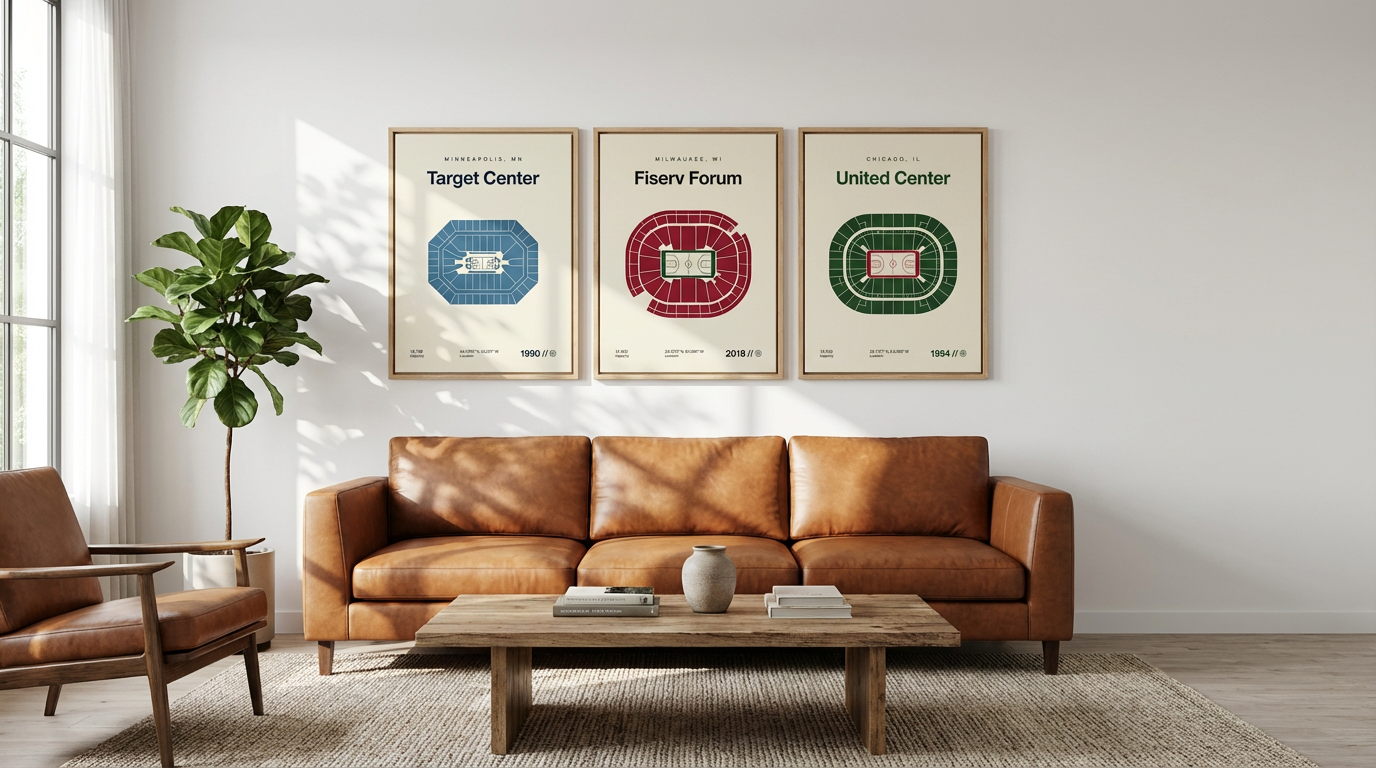
Our Wrigley Field Chicago Cubs Poster - Vintage Stadium Wall Art captures the timeless beauty of this legendary ballpark. Perfect for any Cubs fan's home, office, or man cave, this vintage-style poster celebrates the architectural charm and historic significance of the Friendly Confines.
→ Shop Wrigley Field Vintage Poster
The Last Holdout: Night Games Come to Wrigley
For decades, Wrigley Field stood as baseball's last bastion of day games. While other stadiums installed lights in the 1930s and 1940s, Wrigley remained a daytime-only venue until August 8, 1988, when the first official night game was played (the scheduled first night game on August 8, 1988, was rained out after 3½ innings and didn't count as official).
The Cubs' commitment to day baseball wasn't just tradition—it was a reflection of the neighborhood culture and the belief that baseball was meant to be played in natural sunlight. Even today, the majority of Cubs home games are played during the day, preserving a connection to baseball's roots that's increasingly rare in modern sports.

Celebrate the classic era of Cubs baseball with our vintage stadium wall art. Each poster is printed on premium canvas with museum-quality materials that honor the golden age of baseball.
→ Shop Classic Wrigley Field Art
The Curse, The Drought, and The Glory
Wrigley Field has been the stage for some of baseball's most dramatic narratives. From the alleged "Curse of the Billy Goat" in 1945 to the 108-year championship drought that finally ended in 2016, the stadium has witnessed both crushing defeats and ultimate redemption.
When the Cubs won the World Series in 2016—their first championship since 1908—Wrigley Field erupted in celebration. Millions of fans who had waited their entire lives to see a Cubs championship finally got their moment, and the Friendly Confines became the epicenter of one of sports' greatest stories.
The Wrigleyville Experience
Wrigley Field isn't just a stadium—it's the heart of a vibrant neighborhood. The surrounding Wrigleyville area, with its rooftop seats, sports bars, and pre-game atmosphere, creates a game-day experience unlike any other in baseball. Fans gather hours before first pitch, turning every home game into a community celebration.
The famous rooftop seats across Sheffield and Waveland Avenues offer unique views of the action, while the hand-operated scoreboard—installed in 1937 and still in use today—remains one of baseball's most charming anachronisms.

Bring the spirit of Wrigley Field into your home with our vintage stadium poster collection. Each piece captures the architectural beauty and historic charm of one of baseball's most beloved ballparks.
→ Shop Wrigley Field Stadium Art
A Living Monument to Baseball History
Today, Wrigley Field stands as the second-oldest ballpark in Major League Baseball (after Fenway Park) and has been designated a National Historic Landmark. Despite renovations and modernizations over the decades, the stadium has retained its essential character—the intimate seating, the manual scoreboard, the ivy walls, and the neighborhood atmosphere that makes every visit feel like stepping back in time.
Wrigley Field has hosted countless Hall of Famers, from Ernie Banks and Ron Santo to Ryne Sandberg and Fergie Jenkins. It's where Sammy Sosa and Mark McGwire battled in the 1998 home run chase, where Kerry Wood struck out 20 batters in a single game, and where Anthony Rizzo, Kris Bryant, and the 2016 Cubs finally brought a championship home.
More Than Just a Ballpark
What makes Wrigley Field truly special isn't just its age or its ivy or its scoreboard—it's the emotional connection that spans generations. It's grandparents bringing grandchildren to their first game, sitting in the same seats they occupied decades earlier. It's the W flags flying after victories and the singing of "Go Cubs Go" echoing through the neighborhood. It's the understanding that you're not just watching a game—you're participating in a tradition that connects you to millions of fans across more than a century.
Preserve the Legacy
Whether you've made the pilgrimage to Clark and Addison or you're a Cubs fan from afar, our Wrigley Field vintage poster collection lets you celebrate this iconic stadium every day. Each piece is crafted with premium materials and vintage-inspired design that honors the rich history of the Friendly Confines.
Perfect for Cubs fans, baseball historians, Chicago natives, or anyone who appreciates the timeless beauty of classic ballparks, these posters transform any space into a tribute to one of sports' most sacred grounds.
Explore our complete Wrigley Field collection and bring home a piece of baseball history. Because some places aren't just stadiums—they're where memories are made, traditions are born, and legends live forever.
Share:
Master the Game: Essential Baseball Knowledge for Every Fan
Acadia National Park: Where Granite Meets the Sea and Adventure Awaits